Understand
Reports, scores, models, factors, and the myths that create expensive mistakes.
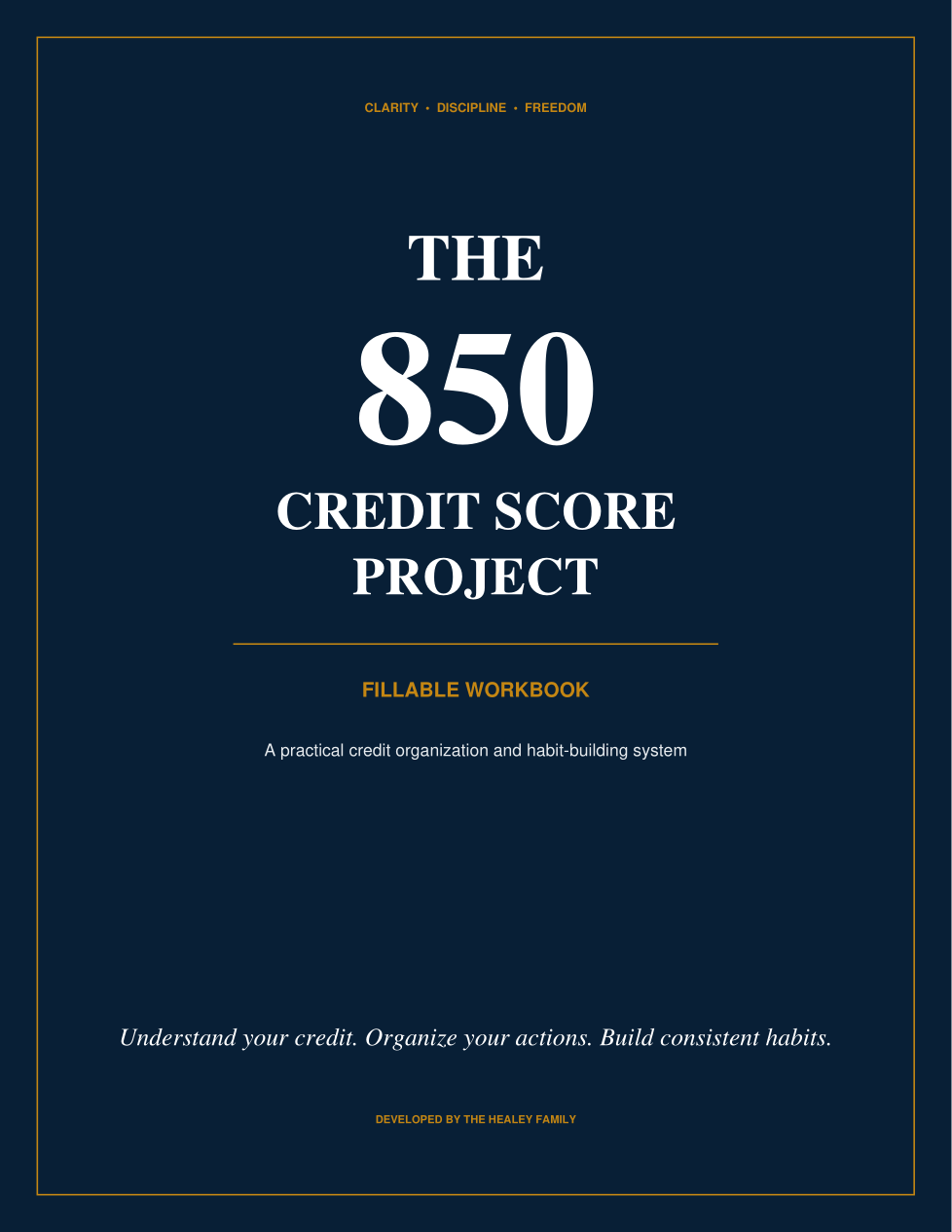
54-PAGE FILLABLE CREDIT SCORE WORKBOOK
A practical educational system that turns confusing credit information into a responsible, repeatable organization process—with 601 interactive fields and an instant digital download through Etsy.
Educational and organizational use only. Not a credit-repair service or a guarantee of any score change or approval.
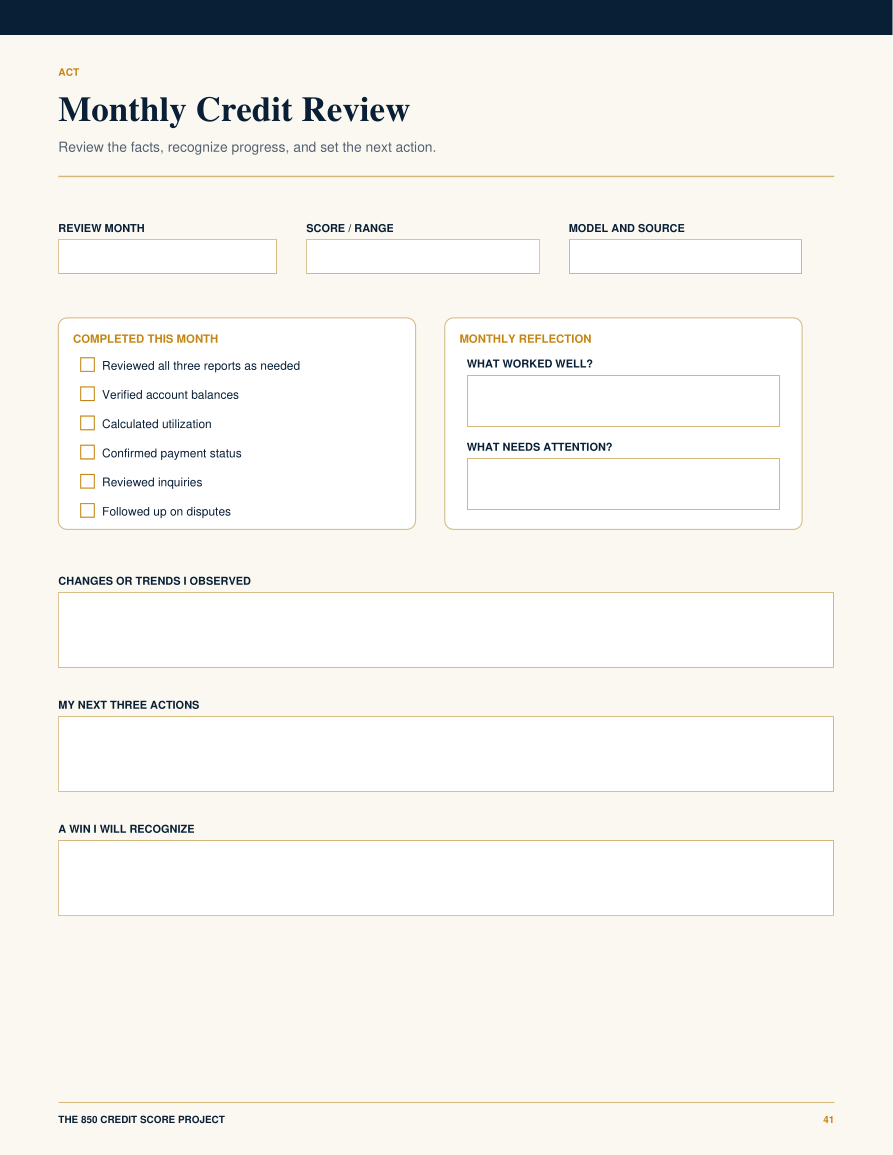 FILLABLE
Built for informed action—not score chasing.
A COMPLETE CREDIT ORGANIZATION SYSTEM
Most credit printables give you a table and leave you to figure out the rest. This workbook teaches the fundamentals first, then helps you apply them through structured reviews, trackers, and decision tools.
It is designed to help you understand what your information means, identify the actions within your control, and build habits you can maintain.
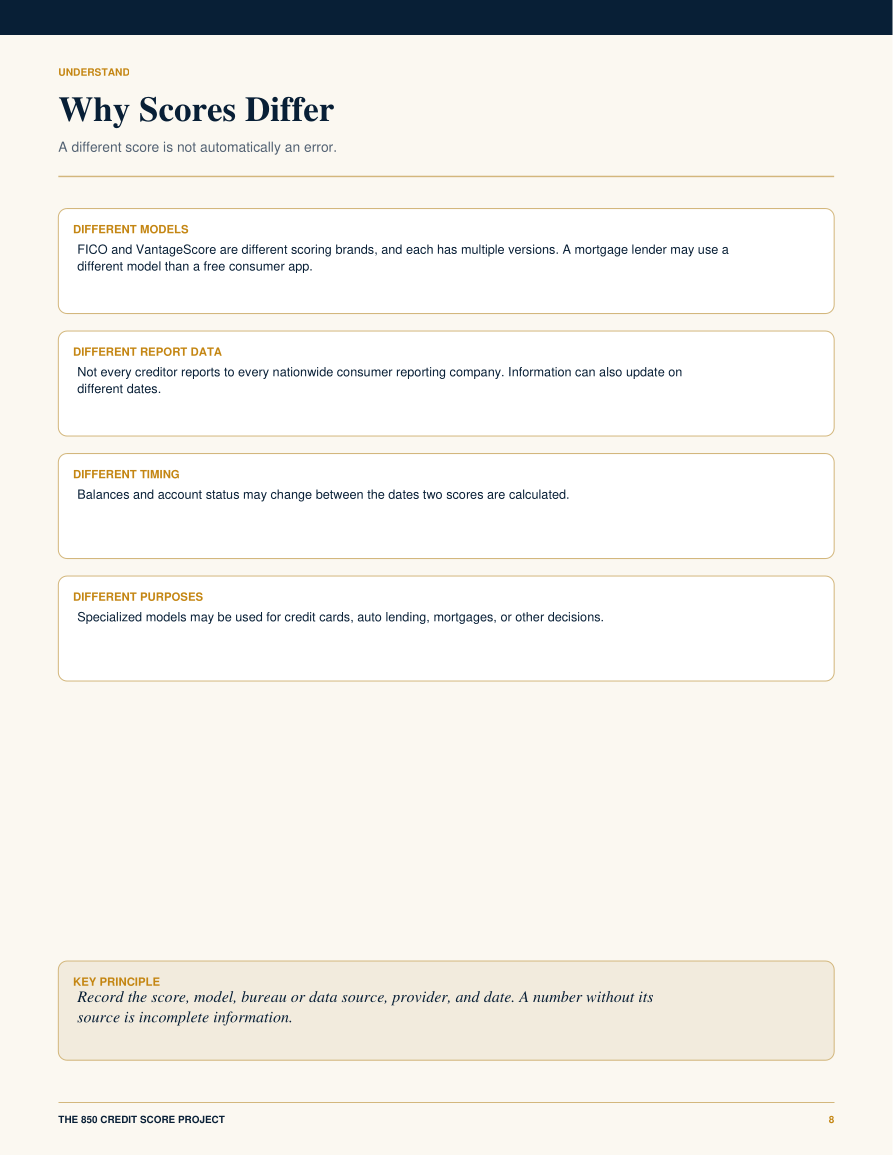
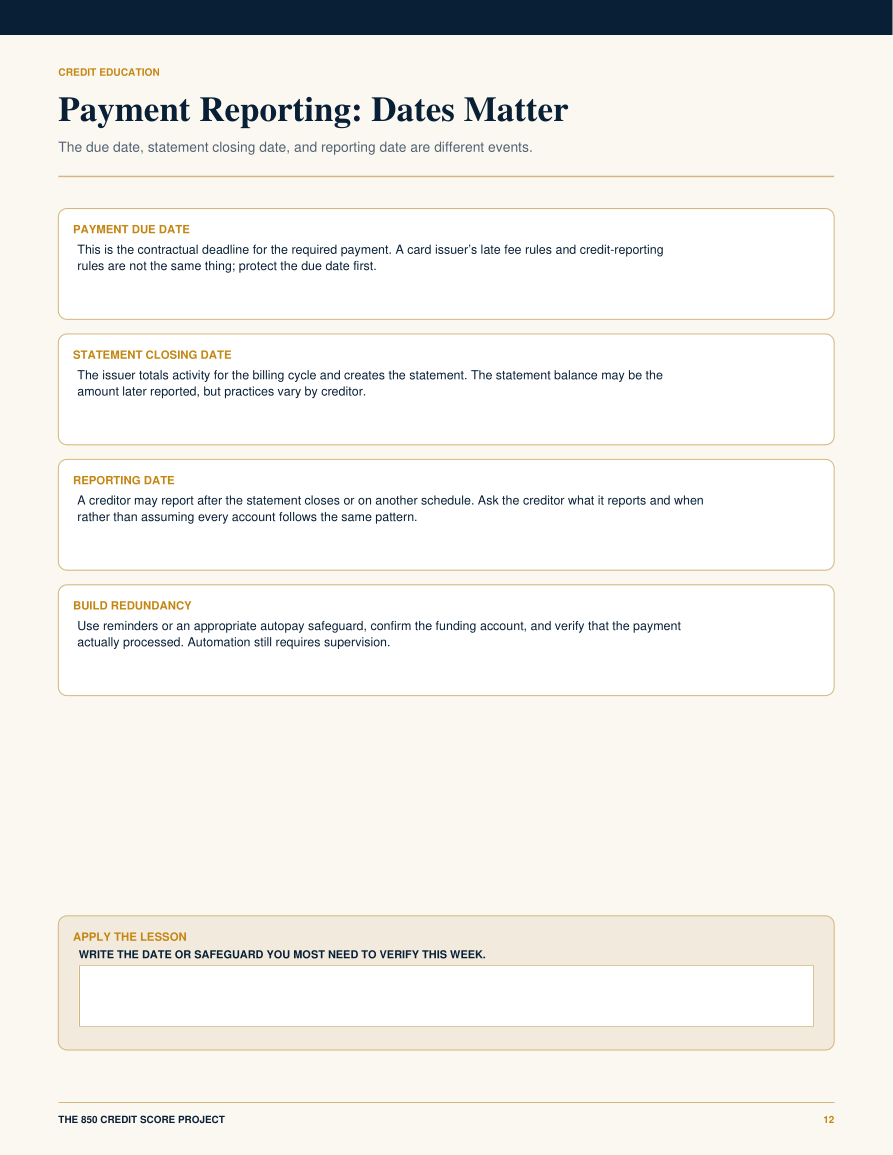
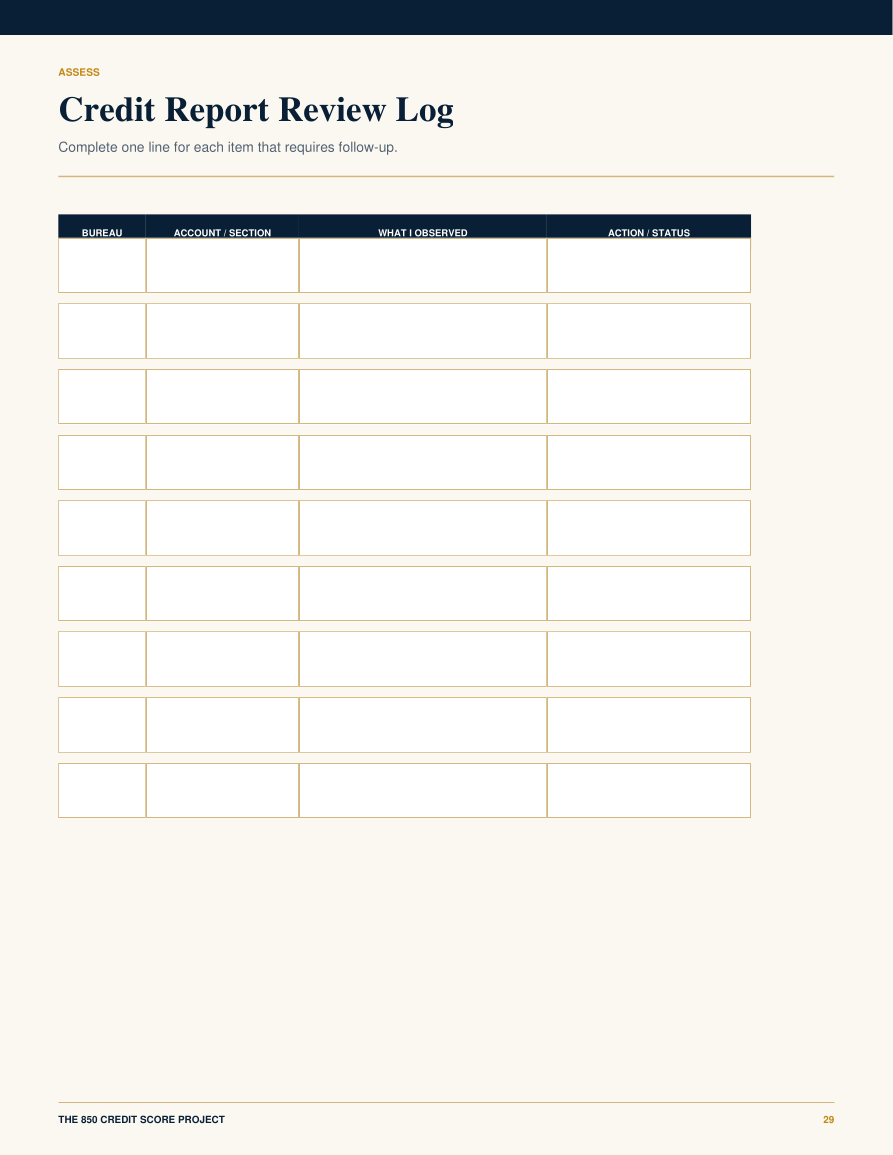
EDUCATION + APPLICATION
THE SIX-PHASE METHOD
Reports, scores, models, factors, and the myths that create expensive mistakes.
Establish a factual starting point using current reports and comparable score sources.
Bring accounts, balances, limits, due dates, and safeguards into one clear system.
Turn information into a responsible 30-day rhythm and repeatable monthly review.
Document legitimate inaccuracies and strengthen identity protections.
Review annually and prepare thoughtfully for future credit decisions.
THE CREDIT CLARITY LIBRARY
Each companion uses the same calm, disciplined method as the flagship—and all five are available now through The 850 Credit Score Project Etsy shop.

AVAILABLE NOW
Track utilization, balances, statement dates, and payoff priorities with PDF and Excel tools.
View current details on Etsy →
AVAILABLE NOW
For someone preparing to open and responsibly manage a first credit account.
View current details on Etsy →
AVAILABLE NOW
Prepare before an apartment, vehicle, card, or mortgage application.
View current details on Etsy →
AVAILABLE NOW
A calm framework for discussing credit, obligations, habits, and shared goals.
View current details on Etsy →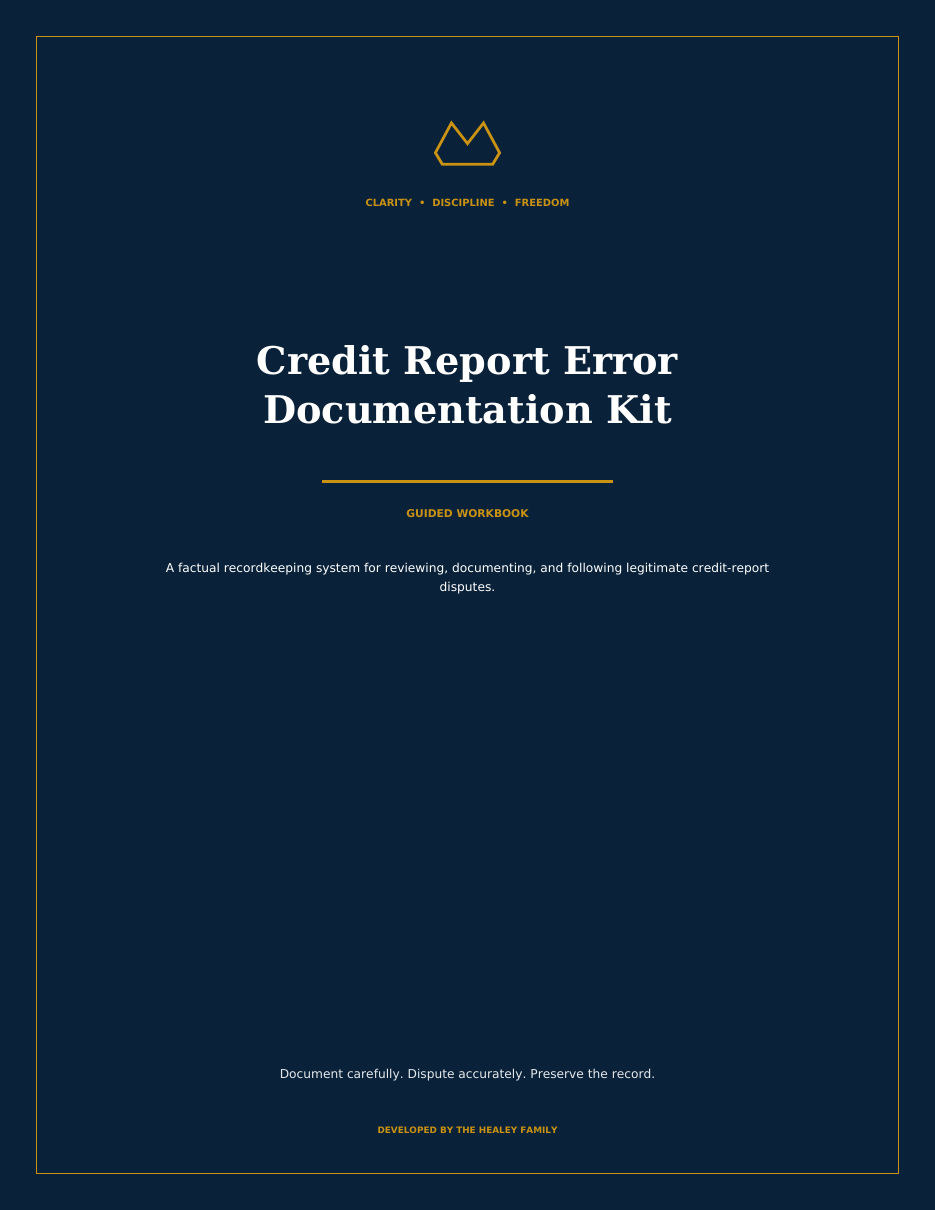
AVAILABLE NOW
Organize genuine reporting errors, supporting records, correspondence, and follow-up.
View current details on Etsy →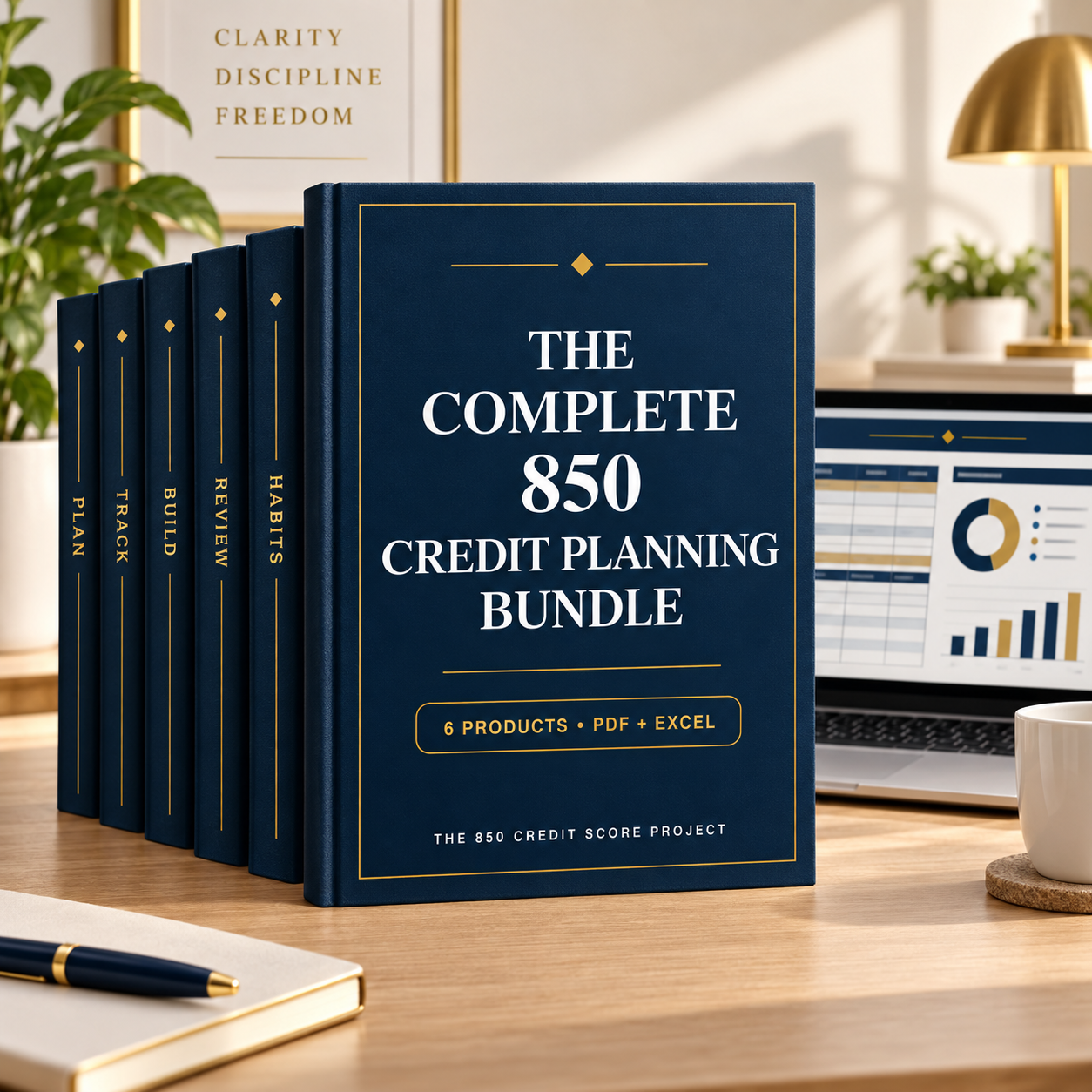
COMPLETE 850 CREDIT PLANNING BUNDLE
Get the 54-page flagship workbook, all five focused companions, fillable and print-ready PDFs, and the Excel utilization planner—15 organized digital files.
“The number 850 represents the pursuit of credit excellence—not a promised destination.”
THE 850 CREDIT SCORE PROJECT
CREDIT EDUCATION GUIDES
Models, versions, bureau data, providers, and timing all change the answer.
Read the guide →UTILIZATIONWhy a common guardrail should not be confused with a scoring cliff.
Read the guide →PAYMENT SYSTEMSThree different events—and why confusing them causes avoidable mistakes.
Read the guide →A REAL CUSTOMER EXPERIENCE
33point change Marcus reported“Good news… credit score jumped +33.”
Marcus said, “The key was not letting my revolving utilization get above 30%. I’ve been keeping a closer eye on it and paying it off with smaller amounts.”
MARCUS • ETSY CUSTOMER • INDIANAPOLIS, INDIANA
Shared with Marcus’s permission. This is one customer’s personal experience—not a promise or guarantee of another person’s results. Credit profiles, scoring models, reporting cycles, actions, timing, and outcomes vary.
THE COMPLETE DIGITAL WORKBOOK
One focused product. A complete 54-page fillable system. Use it digitally, print the working pages you need, and return to the review cycle as often as useful.
View current details on EtsyInstant digital download delivered by Etsy after purchase. Personal-use license. Etsy’s displayed digital-product and purchase-protection policies apply.
This workbook provides general educational and organizational information. It is not individualized financial, legal, tax, lending, investment, or credit-repair advice. It does not guarantee a particular score, point increase, approval, interest rate, removal of accurate information, or timeframe. Individual results vary.
Read the full educational disclosure and terms →